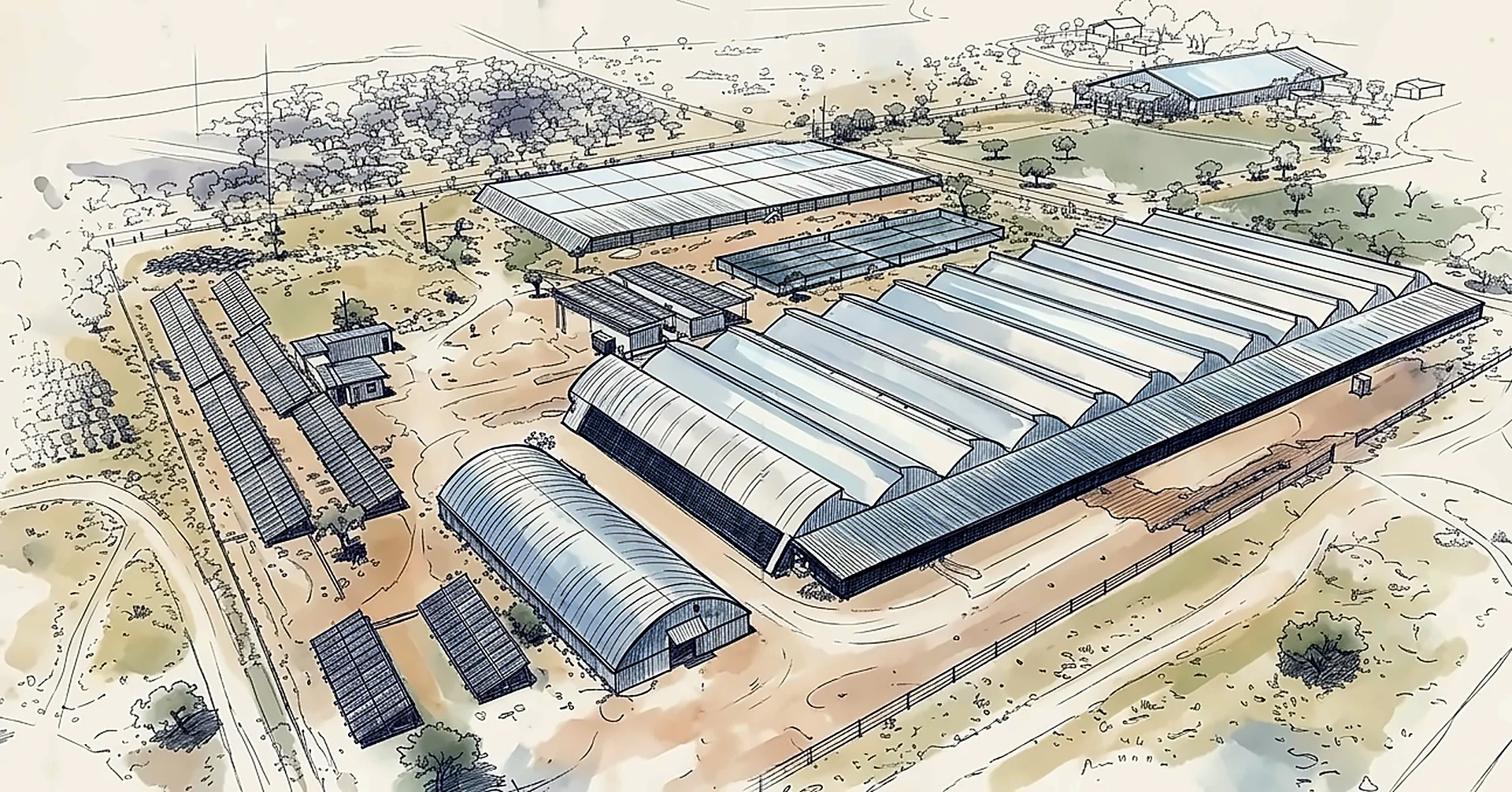
Namibia imports food it could grow and process.
Sub-Saharan Africa imported US$62.8 billion of food in 2024. In Namibia the gaps can be named one category at a time, and each one points at a possible project.
FAO Food Outlook, reported by Food Business MEA, 20 Nov 2025
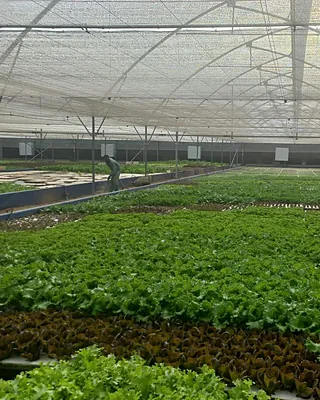
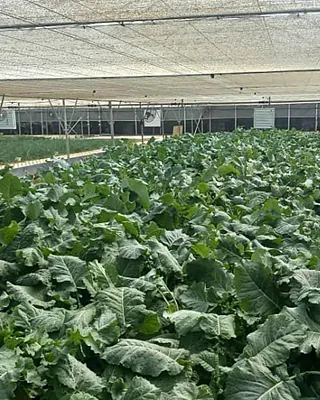
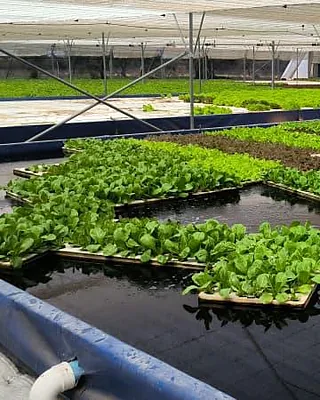
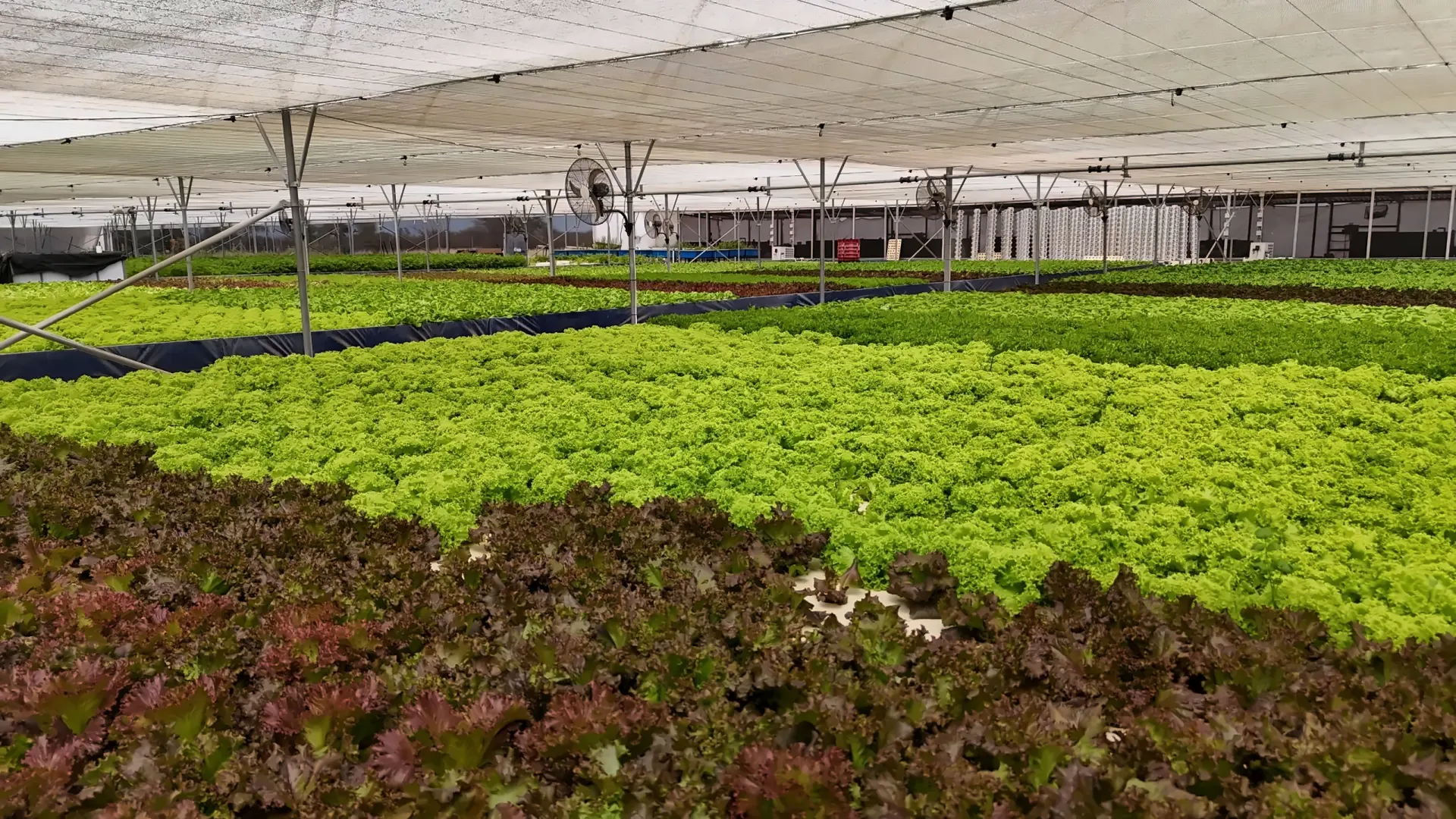
Fresh leaf: grown at home.
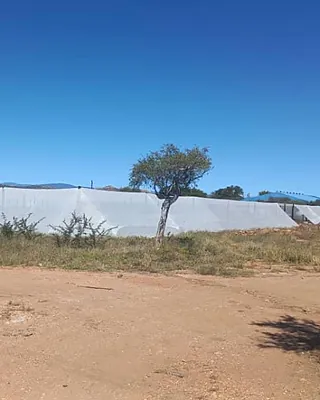
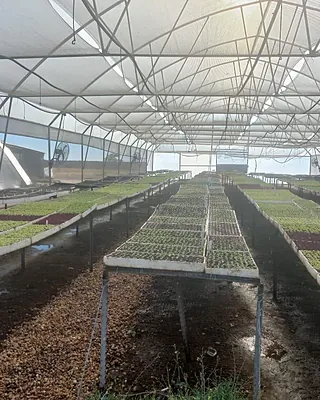
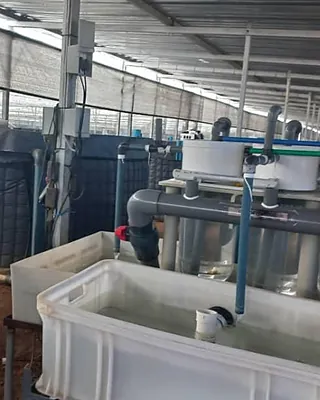
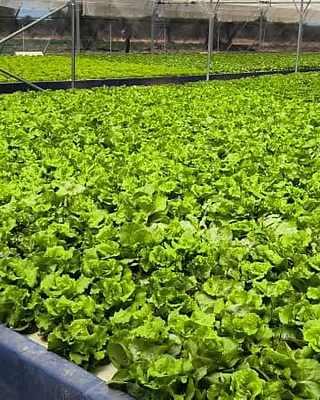
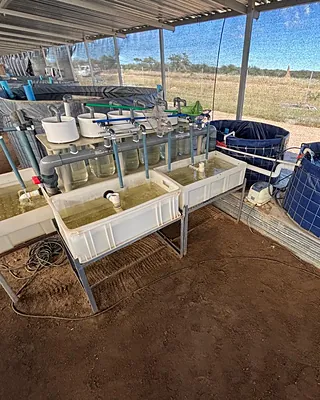
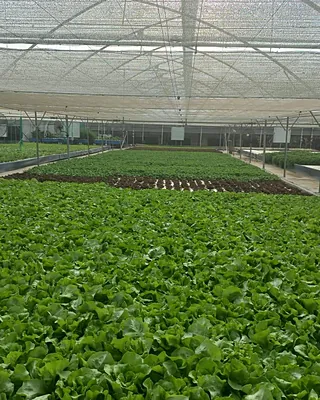
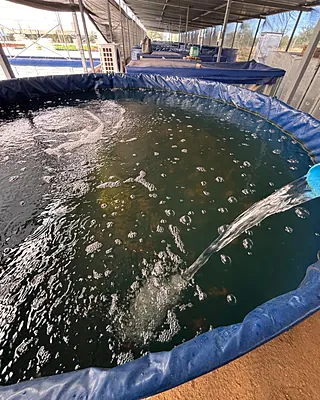
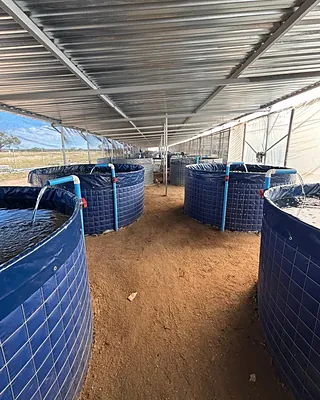
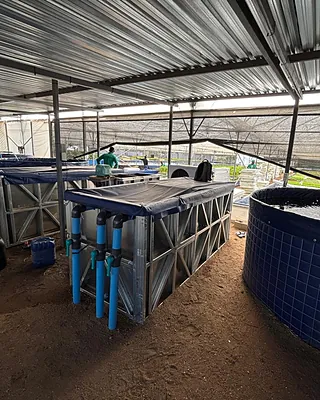
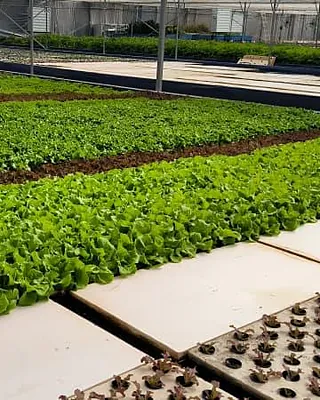
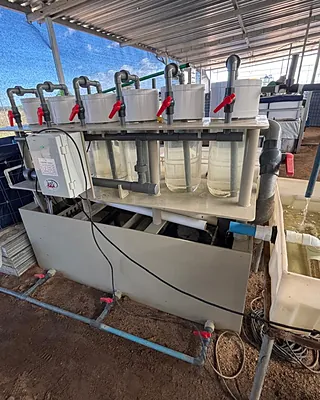
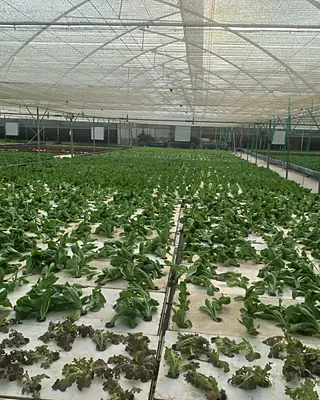
Most of Namibia's lettuce and herbs came by road from South Africa. Since late 2023 the Okahandja farm has supplied Namibian retailers from 70 km outside Windhoek.
We estimate fancy lettuce in Namibia now costs 30 to 50% less than it did before we entered the market, and quality rose as the price fell. That is what closing one gap looks like.
Processed products, potatoes and fruit.
Each of these is bought from outside the country today. Each is a candidate for the same method: size the gap, build the case, then build and run the local supply.
Frozen French fries, all imported
Namibia imports all of its frozen French fries. Oribi is developing a processing plant to make them locally. See the project.
Oribi estimate based on Namibian Agronomic Board data, 2023/24Local supply still short
Namibia produces only a small part of the potatoes it eats, and imports the rest.
Namibian Agronomic Board, reported by FreshPlaza, 21 Jan 2026Almost all of it from outside
Establishing a commercial orchard costs N$300,000 to N$600,000 a hectare, which is why local supply stays thin.
Namibian Agronomic Board, reported by The Brief, 17 Jul 2026- Imported97
- Grown in Namibia3
The buyers are already there. What each gap needs is local supply at the scale and standard they buy at, and the capital and people to build it.
Every box grown at home keeps its margin in Namibia.
Why import substitution is the thesis
Local share of the market, raised step by step.
Under the Market Share Promotion scheme, importers, wholesalers and retailers must buy a minimum share of their fresh fruit and vegetables from Namibian growers each quarter to keep unrestricted import permits. The minimum has risen from 5% at the start to 47% today.
For a grower that can hold retail specification in volume, that means a buyer with an obligation to find local supply.
Namibian Agronomic Board, Market Share Promotion page
The same gaps, across Southern Africa.
In October 2025 the SADC Secretariat and the FAO presented about US$2.1 billion of regional agri-food investment cases, covering irrigation, mechanisation, agro-processing and trade. They are investment cases rather than committed funds, but they show the region organising around the same gaps.
SADC Secretariat and FAO, Hand-in-Hand Investment Forum, Rome, 15 Oct 2025
Every figure, attributed.
Third-party figures are listed with their publisher and date so they can be checked.
- Sub-Saharan Africa food imports, US$62.8bn in 2024Food Business MEA, 20 Nov 2025
- Potatoes: local production well below consumptionFreshPlaza, 21 Jan 2026
- 97% of fruit imported; orchard entry costThe Brief, 17 Jul 2026
- Market Share Promotion: 47% minimum and its historyNamibian Agronomic Board
- Local share 34% to 37%; N$6bn untapped valueThe Brief, Dec 2025
- US$2.1bn regional investment casesSADC Secretariat, 20 Oct 2025
The frozen-fry figure and the lettuce price effect are Oribi estimates. Nothing on this page is an offer or invitation to invest.
Looking at one of these gaps?
Investors, development finance institutions, operators, growers and off-takers are welcome to start a conversation. Participation is by conversation and subject to documentation.