Aquaponics is often sold as a closed loop that runs itself: the fish feed the plants, the plants clean the water, and the farmer collects the lettuce. The idea is sound. The reality, at commercial scale, takes rather more work, and that work is where a farm either holds a retail specification or does not.
Three living systems in one
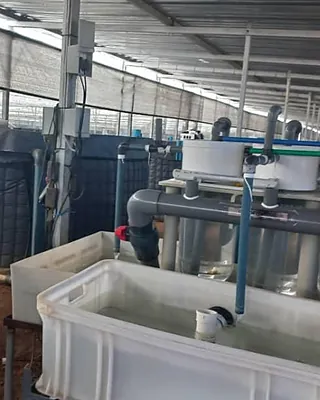
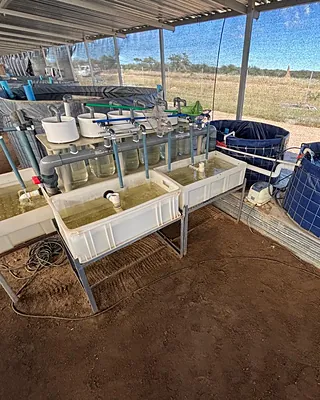
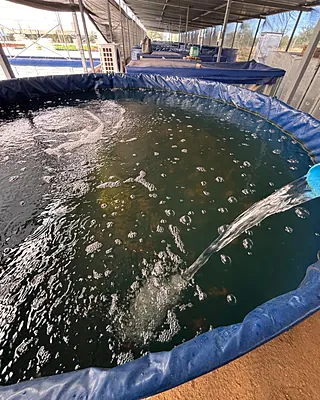
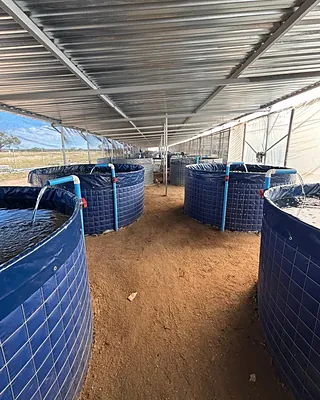
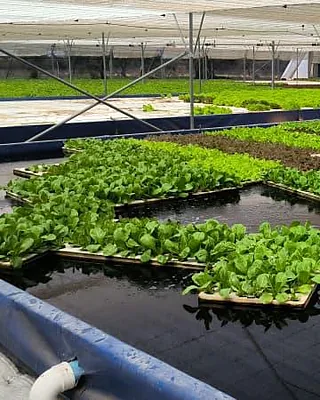
An aquaponic farm combines aquaculture, raising fish, with hydroponics, growing plants without soil. The two share the same water. Fish produce ammonia, which is toxic to them in quantity. Bacteria living on every wet surface in the system convert that ammonia into nitrate, a process called nitrification. Nitrate is a form of nitrogen plants take up readily, so the plants feed on it and, in doing so, return cleaner water to the fish.
The FAO's technical guide to the method describes it as an integrated approach to the efficient and sustainable intensification of agriculture. In practice, that means three populations to keep healthy at once: the fish, the bacteria and the crop. Each has its own ideal temperature, pH and oxygen level, and they do not quite agree.
Why it suits a dry country
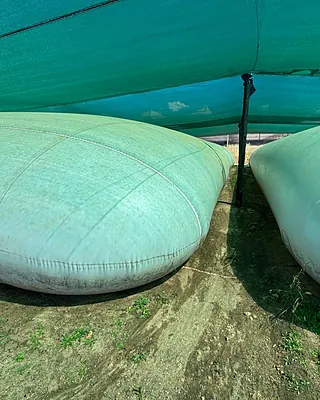
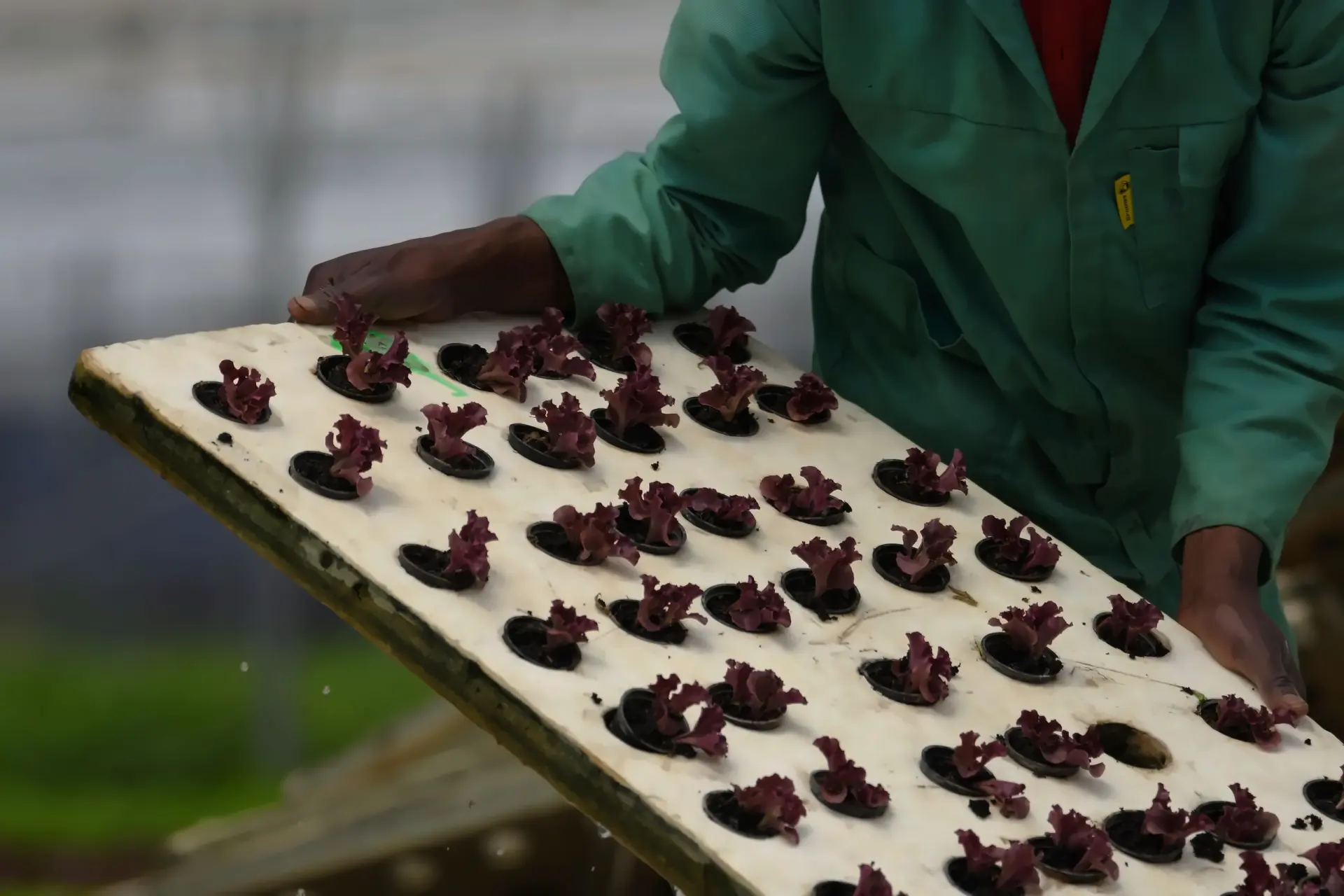
Soil-less growing uses a fraction of the water that field farming needs, because water is recirculated rather than lost to the ground and to evaporation from open fields. In a country where rainfall is low and unreliable, that matters more than almost anything else. At Oribi, we estimate our system uses up to 90% less water than growing the same crop in a field, and roof rainwater supplies the system.
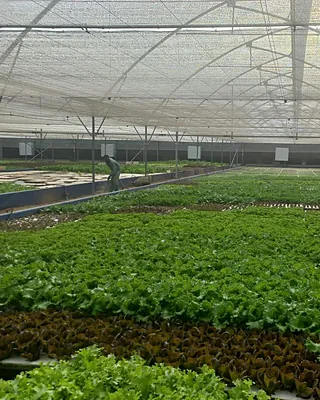
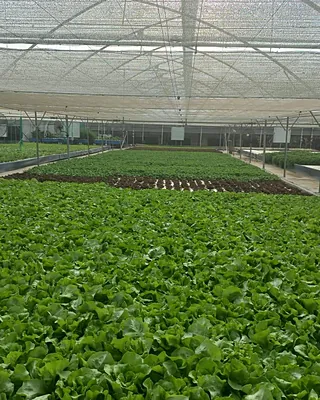
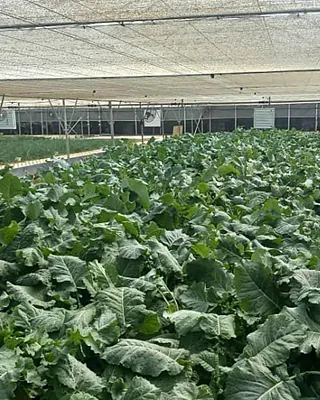
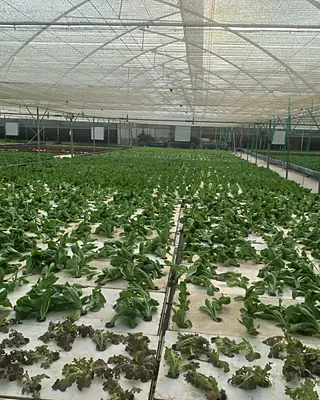
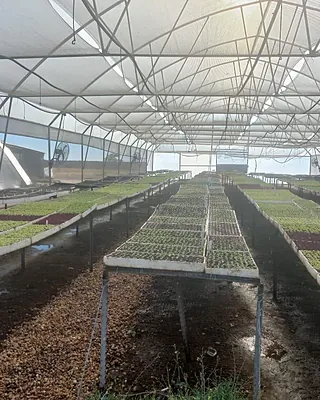
Growing under cover helps in the same way. The greenhouse shades the crop from the hardest sun, keeps out wind and dust, and lets a farm plant to a fixed weekly programme in summer and winter.
What the fish cannot supply
Here is the part the brochures leave out. Fish waste supplies plenty of nitrogen, but it is short of some of the other nutrients a leafy crop needs to grow quickly and look right on a shelf. Deficiencies show up as pale leaves, brown edges and slow growth, which is fine in a backyard system and unacceptable to a retail buyer.
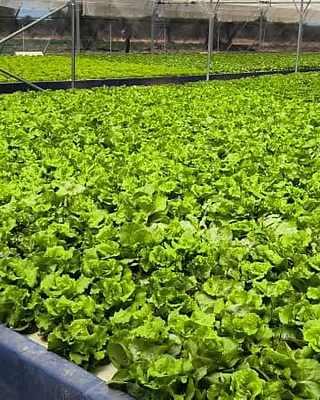
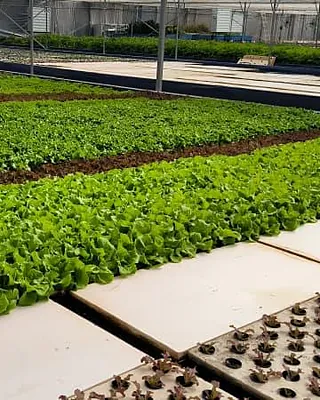
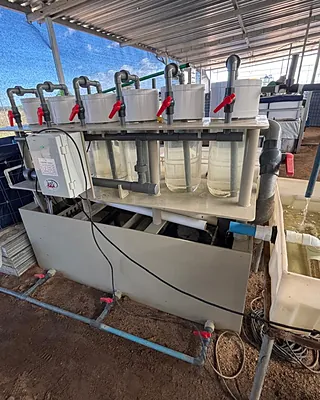
Commercial growers therefore treat the fish as the nutrient base, not the whole diet. The water is tested, and the grower adds precisely what each crop stage needs. Small, regular water changes keep the balance steady. It is less romantic than the closed-loop story, and it is the reason a farm can harvest lettuce to the same specification week after week.
Why many projects struggle
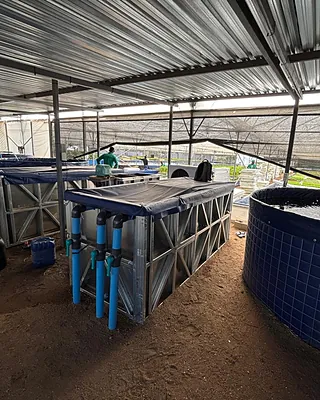
The FAO is plain about the drawbacks: aquaponics is complicated and requires substantial start-up costs, and the extra production has to pay for the cost of integrating two systems. It recommends a full business plan, covering economic, environmental, social and logistical questions, before anyone builds at scale.
The projects that fail tend to fail for the same reasons: they rely on the fish to do everything, they do not measure the water often enough, and they have no buyer lined up for the volume they grow. The ones that work run on data, sell to a programme, and treat the method as a tool rather than the headline.
Aquaponics is the method, not the headline. What a buyer cares about is the lettuce, every week.