A head of lettuce does not stop living when it is cut. It keeps respiring, using up its own sugars and water, and every hour between the field and the fridge at home is taken out of its shelf life. That simple fact explains why distance matters so much for fresh produce, and why local supply changes what a shopper takes home.
Cold slows the clock
Postharvest researchers at the University of California, Davis, put numbers on it. Crisphead lettuce stored at 0°C keeps for three to four weeks. At 5°C, that falls to about two weeks. The reason is respiration: at 0°C, the lettuce gives off 3 to 8 ml of carbon dioxide per kilogram per hour; at 20°C, it is 25 to 30 ml. Put simply, a lettuce left warm ages several times faster than one kept cold.
That is why the cold chain matters as much as the growing. Leaves are washed, dried and cooled quickly after harvest, then kept cold through packing, storage, transport and the shop floor. Every break in that chain costs days.
Distance is time
Much of the fresh produce on Namibian shelves has historically come by road from South Africa, often from more than a thousand kilometres away. From Johannesburg, Windhoek is roughly 1,600 kilometres by road. That is days of travel, loading and handling before a lettuce reaches the shelf, with every change of truck or warehouse another chance for the temperature to slip.
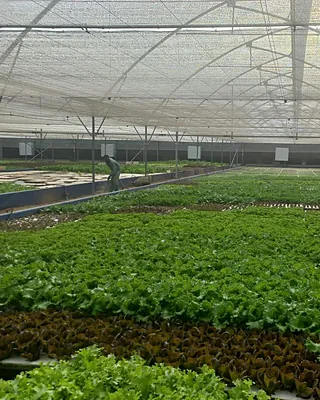
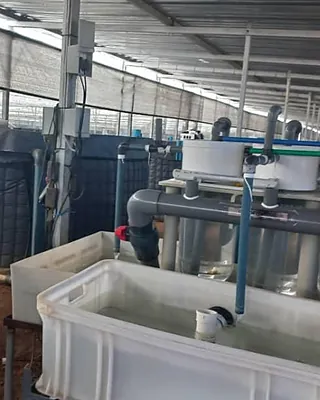
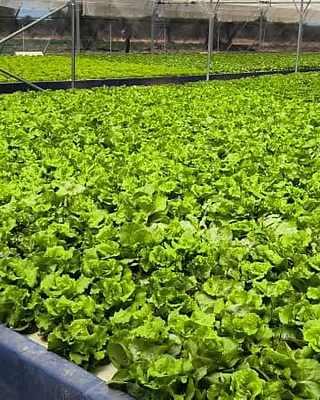
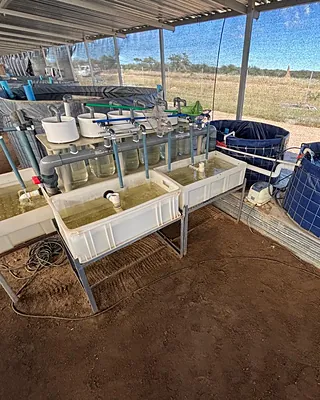
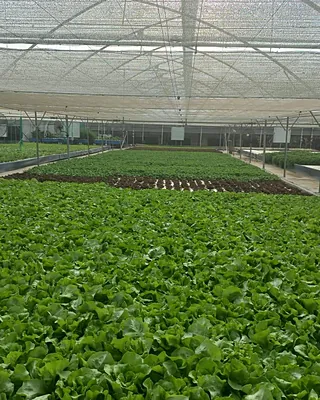
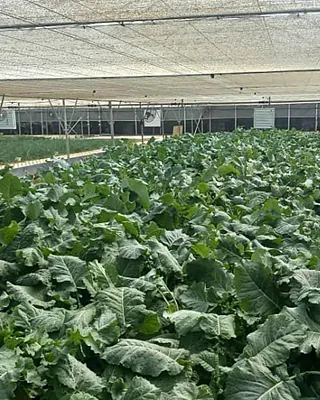
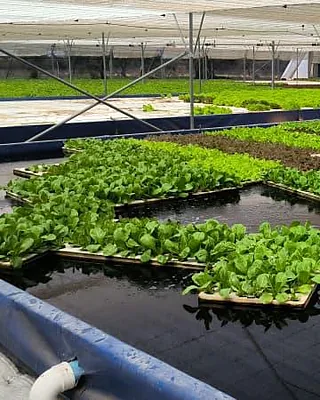
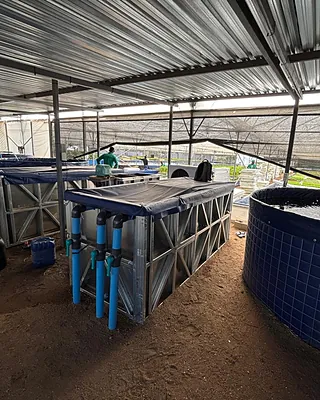
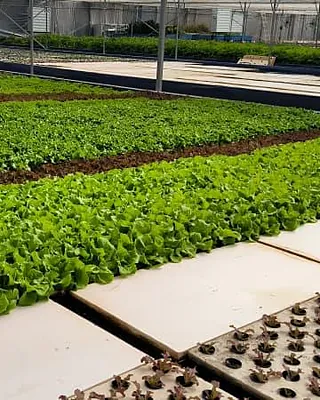
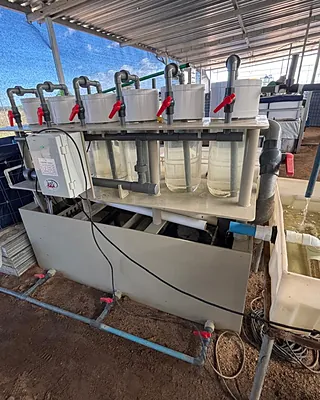
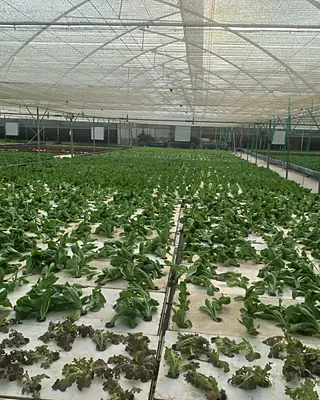
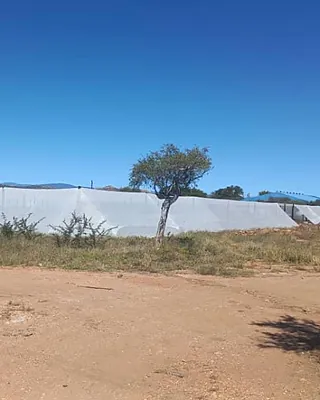
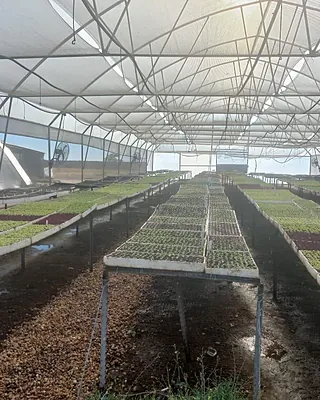
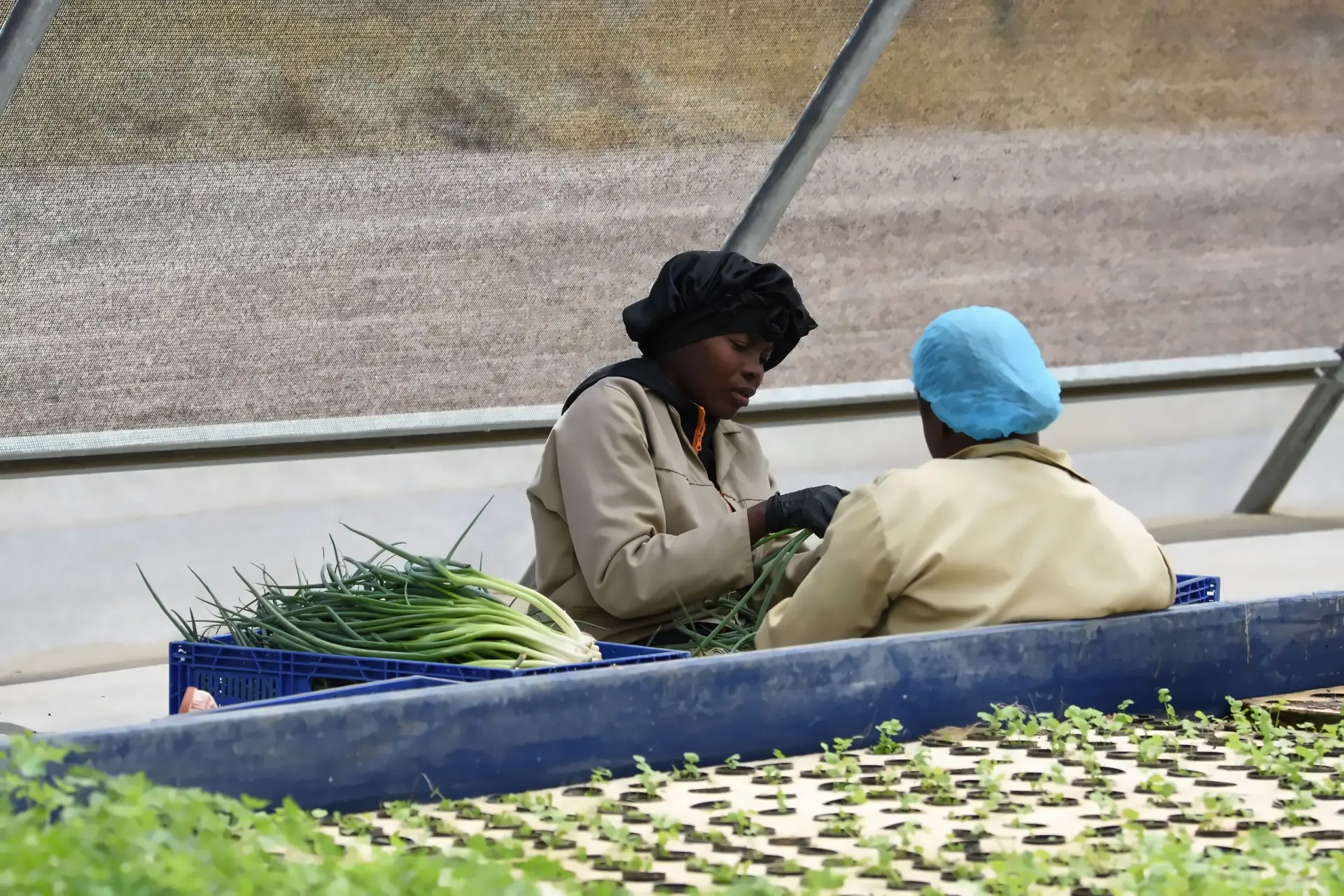
The Okahandja farm is 70 kilometres from Windhoek. Produce is cut and packed on the farm, is on its way to the shelf the same day it is packed, and stays in the cold chain from harvest to delivery. The shopper gets the days back: fresher on arrival, and fresher for longer at home.
Why it matters beyond the salad
Namibia has long relied on imports for a large share of its fresh produce. Through its Market Share Promotion scheme, the Namibian Agronomic Board requires importers to buy a share of their horticultural produce from local growers, currently set at 47%. Schemes like this only work if local farms can supply to a retail standard, in volume, every week of the year.
That is the gap local controlled-environment farming fills. Shorter journeys mean fresher food, less waste and less money spent moving water-heavy leaves across a border. They also mean jobs and skills stay in the country that eats the food.
Seventy kilometres instead of sixteen hundred. The difference is days, and you can taste it.